



You have no products in your cart. Please visit our product catalog to add some products to your cart.
Browse ProductsSwitch to Sustainable
Copper vs Aluminium in Electrical Engineering: What Really Matters?
Copper has long held the title of the “king” of electrical materials. Its excellent electrical and thermal conductivity, durability, and long-term reliability have made it the default choice across generations of electrical applications. Yet aluminium is everywhere too—from power lines and lightbulb sockets to aircraft systems and high-voltage busbars. So if both materials are widely used, what actually sets them apart? And why would anyone choose aluminium over copper?
Understanding Your Company’s Carbon Footprint
What is a carbon footprint?
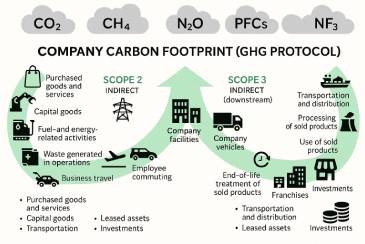
A carbon footprint is the total amount of carbon dioxide (CO₂) and other greenhouse gases (GHGs) emitted by an activity, product, event, person, or organization. It is measured in tonnes of CO₂ equivalent (tCO₂e).
Product Carbon Footprint (CFP): Measuring the Environmental Impact of Products
The Product Carbon Footprint (CFP) represents the total greenhouse gas emissions associated with a product throughout its life cycle—from raw material extraction to production, use, and end-of-life. This comprehensive measure is expressed in CO₂ equivalents (CO₂e), providing a clear picture of a product’s environmental impact.
Aluminium: The Lightweight Metal Driving a Heavyweight Transition
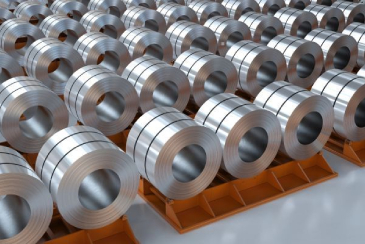
Aluminium is all around us – in cans, cars, cables and construction. But behind its low weight lies a high-impact industry. As global efforts accelerate towards net-zero targets, aluminium’s unique properties are making it increasingly essential – and raising critical questions about how sustainably we can meet future demand.
Get the essentials in minutes – just press play.
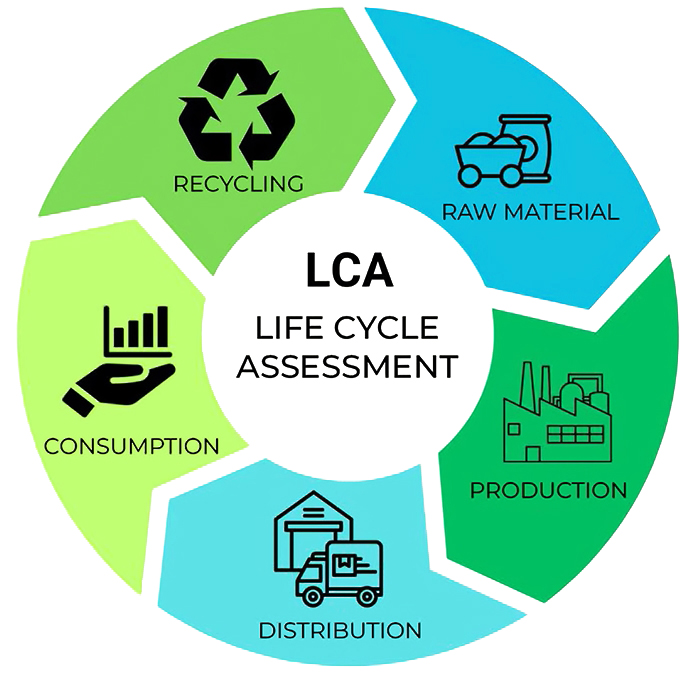
Life Cycle Assessment (LCA): A Key to Sustainable Product Development
Life Cycle Assessment, or LCA, is a scientific methodology used to evaluate the environmental impact of a product, process, or service throughout its entire life cycle. By conducting an LCA, businesses gain vital insights into how their operations affect the environment—from greenhouse gas emissions and ozone layer depletion to energy and material consumption.
Get the essentials of Life Cycle Assessment in minutes – just press play.
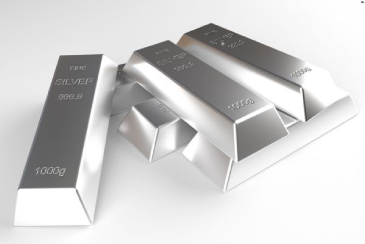
Silver’s Dual Role: Essential for Green Tech, Prized for Value
Silver is no longer just a shiny precious metal—it’s a vital component in the global energy transition. Its unique combination of high electrical conductivity, reflectivity, and antibacterial properties makes it indispensable in solar panels, semiconductors, and medical devices. But as demand from clean energy and high-tech sectors surges, supply is struggling to keep pace.
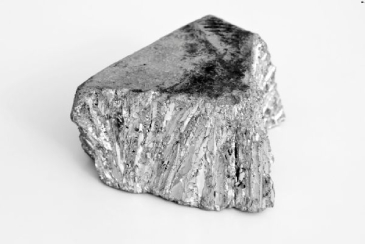
Zinc: The Industrial Shield with Growing Green Relevance
Zinc has been known for millennia, primarily as a component in brass, but isolating it in pure form took time. It wasn't until the 12th or 13th century in India that zinc was produced in significant quantities. In Europe, large-scale production only began centuries later. The industrial revolution propelled zinc into mainstream use, particularly in galvanization — coating iron and steel to prevent rust and extend product life.
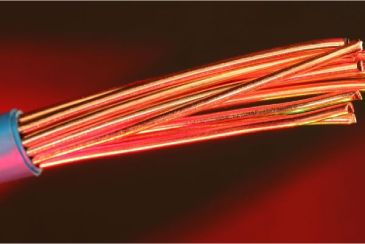
Copper - The Backbone of Electrification and Green Transition
Copper has accompanied humanity from its earliest civilizations to today’s digital and energy revolution. First used around 8000 BC for ornaments and coins, copper became essential when early societies learned to extract it from ore. This development led to the creation of bronze around 3000 BC and marked the beginning of the Bronze Age.
Corporate Responsibility in Resource Management – The Key to Sustainable Business
With natural resources under increasing pressure and demand showing no signs of slowing down, companies must rethink how they source, use, and conserve materials. In an era defined by environmental challenges, supply chain disruptions, and shifting consumer expectations, responsible resource management is no longer just a moral imperative – it's a strategic necessity for long-term business success.
How the Shortage of Critical Raw Materials Affects Our Society
Imagine a world without nickel, copper, or silver. No electric vehicles. No smartphones. No renewable energy infrastructure. Without these essential raw materials, the development of modern technology and sustainable energy systems would come to a halt. These materials power our daily lives and industries—yet many of them are becoming harder to source, making the issue of critical raw materials one of the defining challenges of our time.
Solving the Raw Materials Crisis: How Companies Can Ensure a Sustainable Future
The global shortage of raw materials is becoming an increasing challenge for industry and the economy. The transition to green energy and digitalization are significantly driving up demand for strategic raw materials, while some, such as rare earth elements, are already nearly depleted.
Product Carbon Footprint
The Product Carbon Footprint (PCF) summarizes the total greenhouse gas emissions associated with a product throughout its lifecycle, from raw material extraction to production, usage, and disposal phases.