


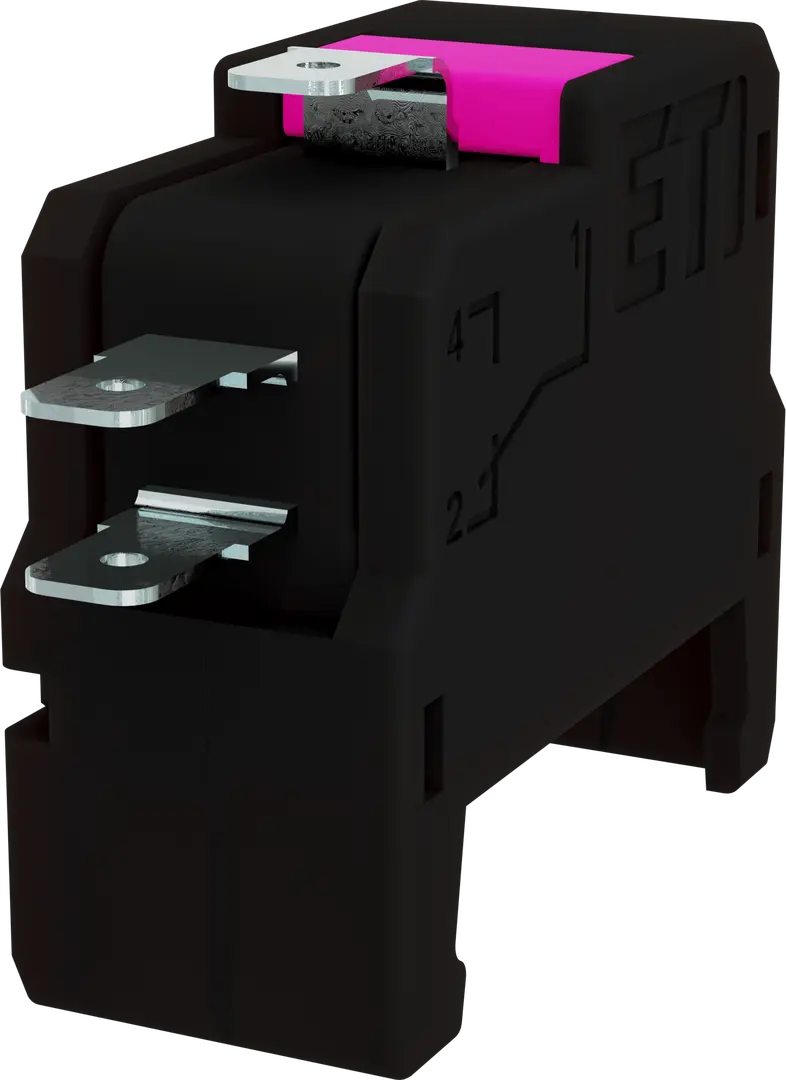
Star-Delta Switch: A Smarter Way to Start Three-Phase Motors
Starting a three-phase induction motor can place considerable stress on both the electrical network and the driven equipment. When a motor is connected directly to the supply, the starting current can reach 3 to 8 times its rated current. This can cause voltage drops, while the high starting torque can create undesirable mechanical shocks.
One proven way to reduce these effects is star-delta starting.
Why Star-Delta?
The idea is simple: instead of applying full voltage to the motor windings immediately, the motor starts with its windings connected in star (Y). Once it has accelerated close to its rated speed, the windings are switched to delta (Δ) for normal operation.
The result? Lower starting current and lower starting torque, reducing stress on both the supply network and mechanical components.
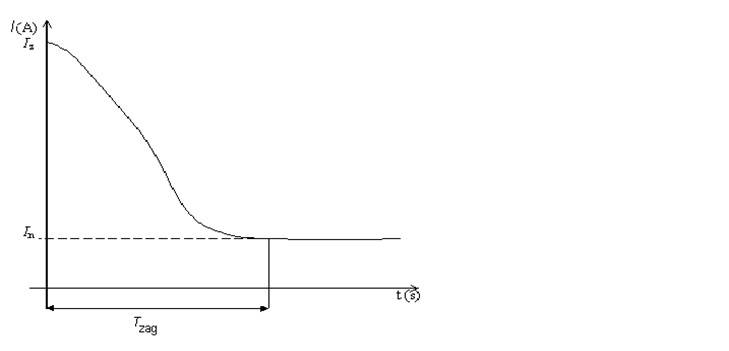
Current characteristic of an induction motor
Star vs. Delta: What Changes?
In the star connection, each motor winding receives a voltage that is √3 times lower than in delta. This means that the starting current is approximately three times lower, while the starting torque is also reduced to around one third.
The example from the original article makes the difference clear:
| Delta | Star | |
|---|---|---|
| Starting current | 90 A | 30 A |
| Starting torque | 30 Nm | 10 Nm |
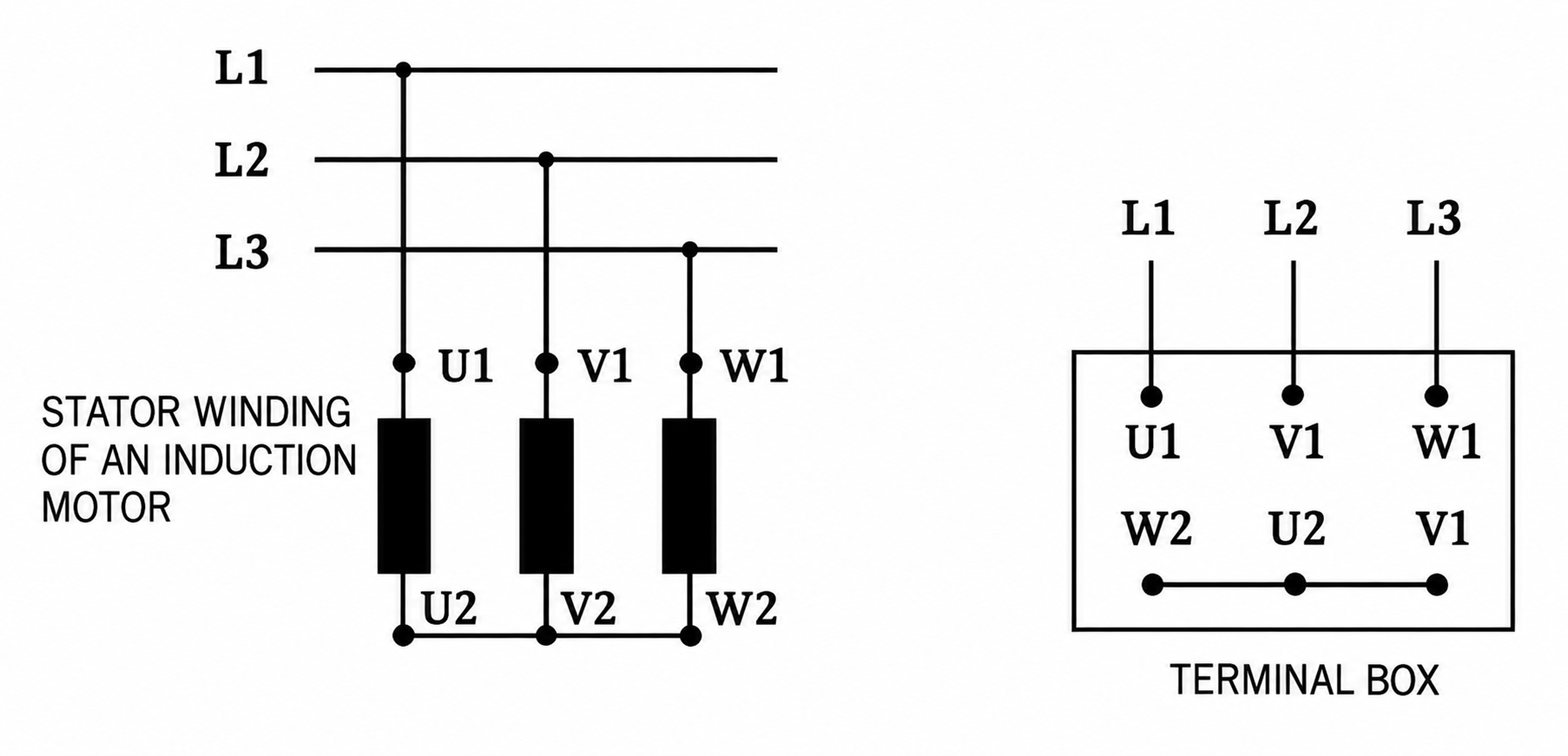
Motor windings connected in a star configuration
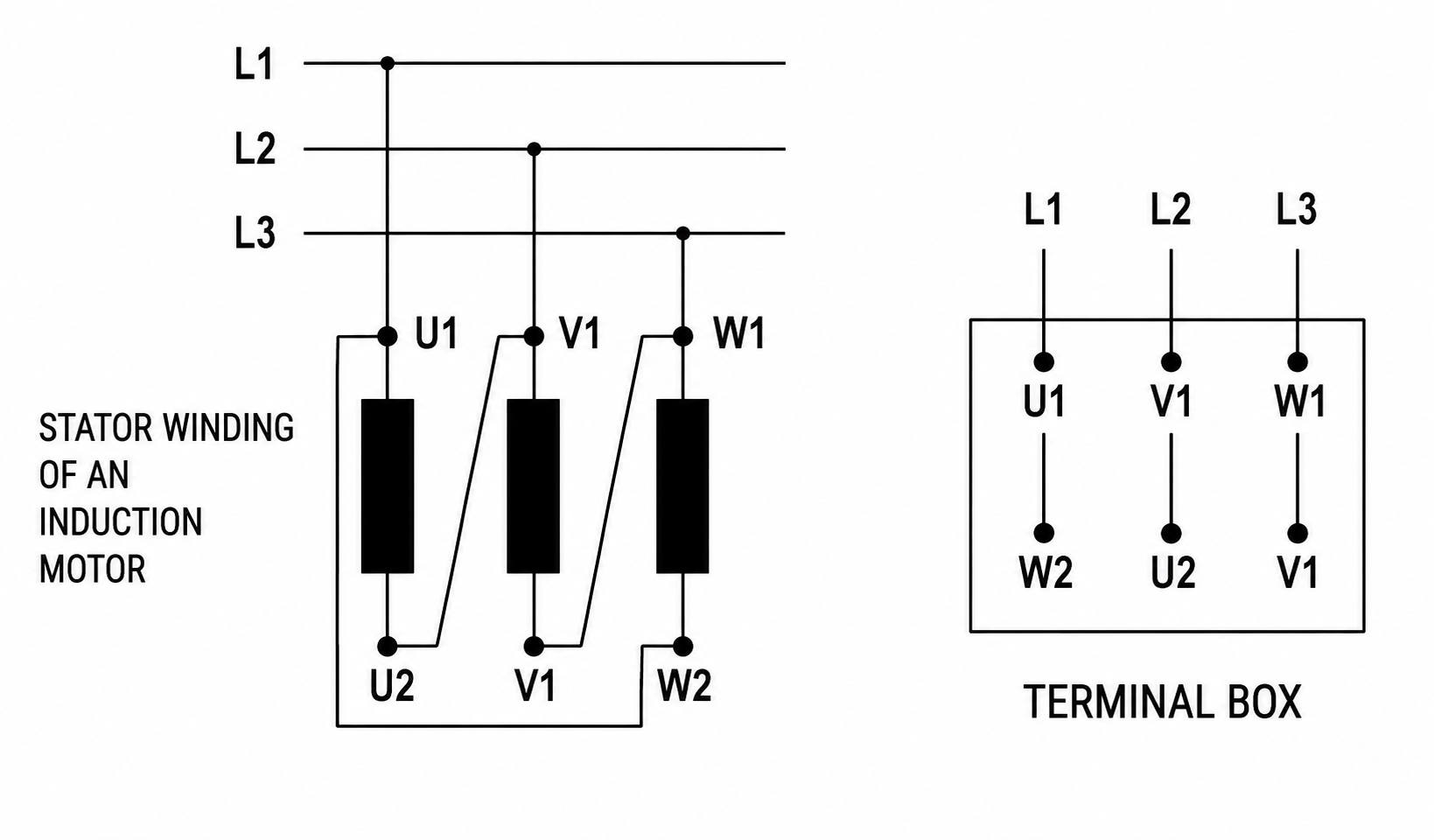
Motor windings connected in a delta configuration
This reduction is highly useful during starting—but it also explains why the motor cannot remain in star during normal operation at rated load.
The Right Moment to Switch
Once the motor approaches its rated speed, it must be switched from star to delta. In star, the motor can be loaded to only approximately one third of its rated power. If it remains in star under rated load, the motor can become overloaded and its windings may be damaged.
Timing matters as well. If the switch to delta happens too early, the motor may not have accelerated sufficiently and the intended reduction of the starting current is largely lost.
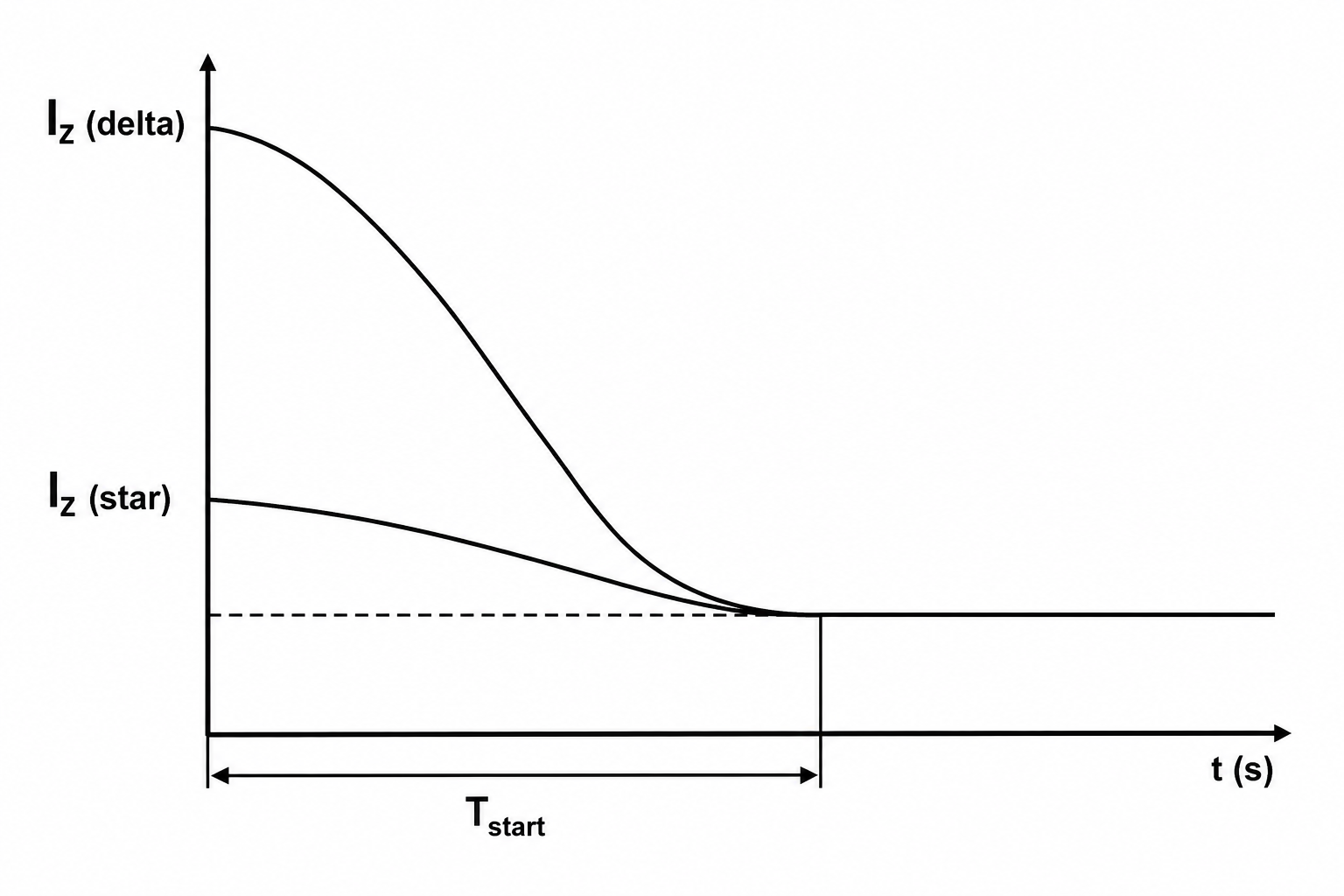
Current profile during start-up in star connection and after switching to delta connection.
It is also important to remember that not every motor is suitable for star-delta starting. The motor windings must be designed for operation in delta at the available line-to-line voltage.
Manual or Automatic?
For small and medium-power motors, the transition can be performed manually with a star-delta switch.
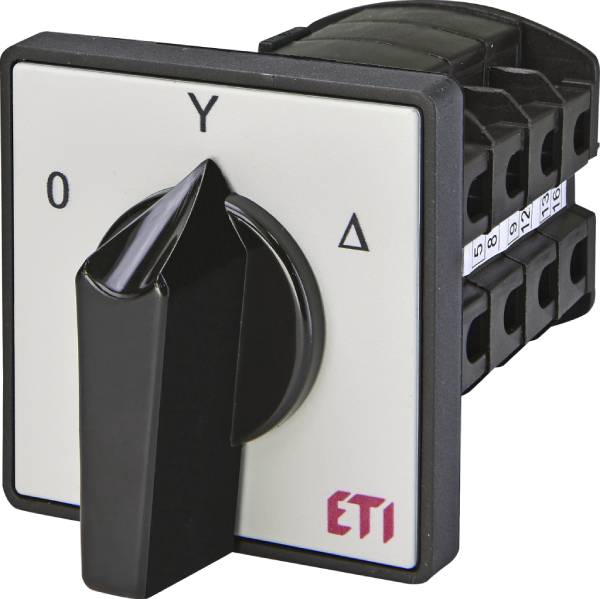
Star-delta switch
A more automated solution uses three contactors and a time relay. At startup, the main contactor K1 and star contactor K3 are energised. The motor therefore starts in star with reduced current.
After the preset time, K3 switches OFF and the delta contactor K2 switches ON. K1 remains energised, and the motor continues operating at full power in delta.
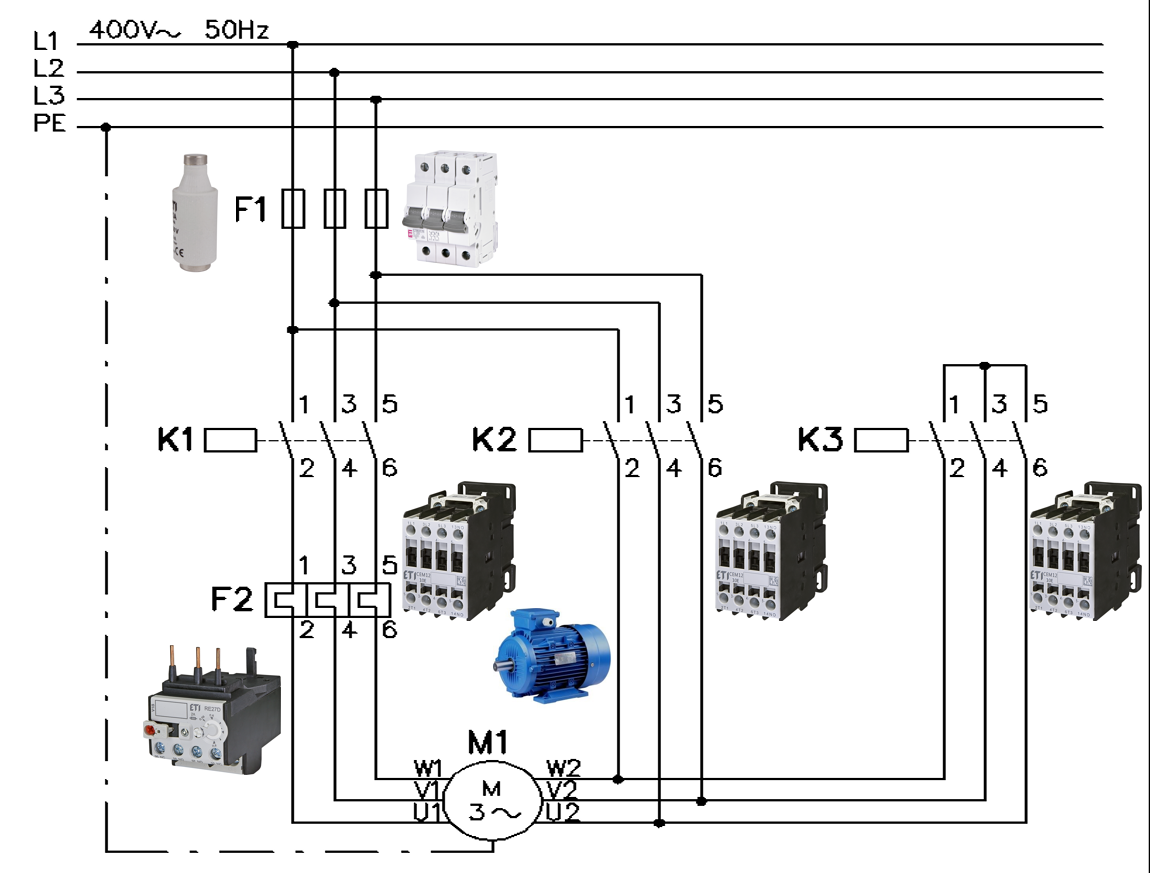
Star-delta starting using three contactors and a time relay – main circuit diagram
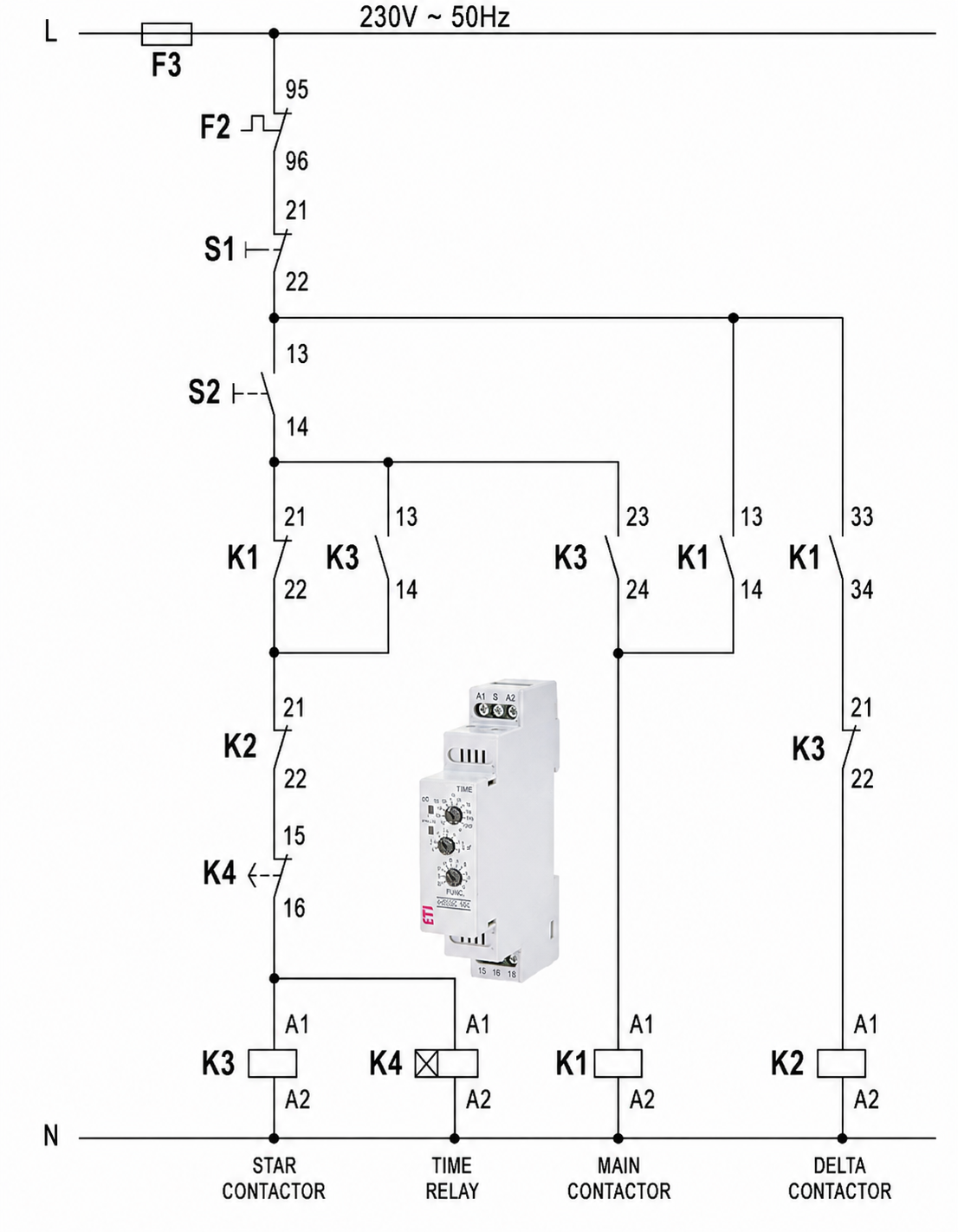
Star-delta starting control circuit diagram showing the time relay.
Don't Forget Motor Protection
Reducing the starting current does not replace proper motor protection. In the example presented in the article, protection is provided by a thermal overload relay.
With the relay connected it should be set to approximately 0.58 × In, where In is the motor's rated current.
Less Current, Smoother Start
Star-delta starting is a simple and well-established way to reduce the stress associated with starting suitable three-phase induction motors. By starting in star, both the starting current and starting torque are reduced to approximately one third of their delta values. The motor is then switched to delta to deliver its normal operating power.
Whether the transition is handled manually or automatically, the principle remains the same: reduce the stress during startup, then switch to full-power operation once the motor is ready.